Is an Insulated Garage Door Worth It in Ohio? Real Numbers
“Will an insulated garage door actually lower my heating bill, or is that just marketing?” It’s the most honest question a homeowner can ask — and the answer is: it depends entirely on your garage. For some Hamilton, OH homes, insulation pays for itself in a few years. For others, it’s money you’ll never see again. Here’s the real math, and if you want advice for your specific house, Call (513) 286-7477 — we’ll ask about your garage layout before recommending anything.
When an Insulated Garage Door Pays: The Attached-Garage Scenario
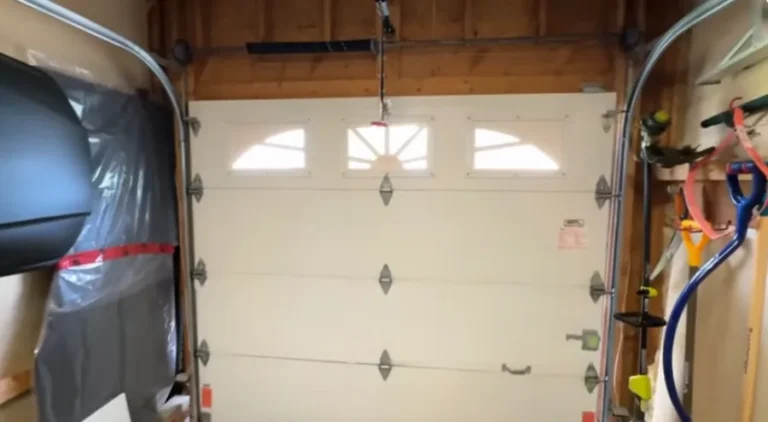
Insulation earns its keep when your garage shares walls — or a ceiling — with heated living space. The classic Hamilton subdivision layout (two-car garage with bedrooms above it) is the textbook case: an uninsulated steel door turns the garage into a refrigerator all winter, and that cold bleeds straight through the shared wall and floor into your home.
For attached garages with living space above or beside them, insulated garage doors are associated with roughly 12–18% reductions in heating and cooling costs for the adjacent spaces, with payback periods around 2–4 years against the insulation premium. The U.S. Department of Energy cites up to 10–20% heating/cooling savings from properly insulated garage doors in the right configurations. On a Duke Energy Ohio winter bill, that math gets concrete fast.
When It’s Not Worth It: The Detached Garage
Flip the scenario: a detached, unheated garage used for parking and storage. There’s no living space to protect, so the insulation is guarding… your car’s paint job. Realistic savings run maybe $35–$50 a year — a payback period measured in decades, well beyond the door’s life. If that’s your setup, spend the money on weatherstripping and a good bottom seal instead, and skip the insulation premium.
R-Value: What Number Do You Actually Need?
R-value measures resistance to heat flow — higher is better. For Ohio winters, here’s the practical breakdown:
- R-6 to R-9 (polystyrene): the entry-level insulated door. Polystyrene panels are cut and fitted between the steel layers — cheaper, but they leave small air voids and don’t bond to the door faces. Fine for mild benefit on a budget.
- R-12 to R-18 (polyurethane): the sweet spot for Ohio. Polyurethane is injected as a liquid that expands to fill every cavity and bonds directly to the steel skins. The result is a stiffer, quieter, more dent-resistant door — the insulation is structural, not just thermal.
- Triple-layer construction (steel + insulation + steel) is what you’re buying at the high end: two steel faces sandwiching the foam core. It looks better, lasts longer, and runs quieter than single-layer doors with glued-on panels.
Our insulated garage door recommendation for most Hamilton homes with attached garages: R-12 minimum, polyurethane if the budget allows. Below R-12 in an Ohio January, you’re paying for the word “insulated” more than the performance.
The Cheaper Alternative: Retrofit Insulation Kits
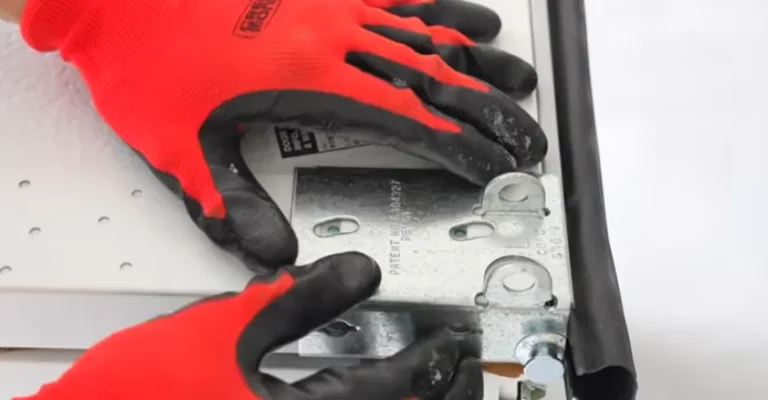
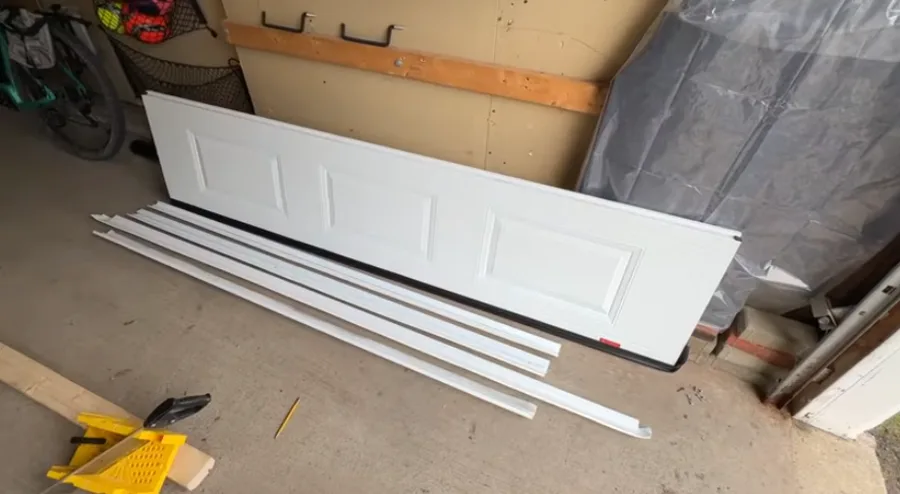
Not ready for a new insulated garage door? Foam-board retrofit kits (typically around R-8) can be installed on an existing steel door in an afternoon for roughly $150–$300 in materials. It’s a genuine improvement — noticeably less cold radiating off the door — but be honest with yourself about the limits: it won’t match a factory polyurethane core, and it adds weight (see the warning below).
One more thing, and it’s the cheapest efficiency win of all: seals and weatherstripping first. A new bottom seal, fresh vinyl perimeter weatherstripping, and sealed panel joints stop more cold air than upgrading from R-9 to R-12 ever will. Air leaks beat insulation math every time.
The Weight Warning Nobody Mentions
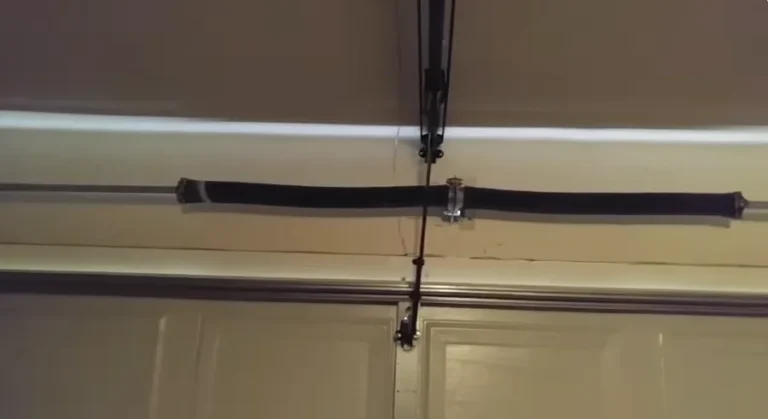
Here’s the catch that matters: insulation adds weight, and your springs were sized for the old door. A triple-layer insulated double door can weigh 50–100 lbs more than the single-layer door it replaced. Hang that on the original springs and they’ll fail early — sometimes within a year — because they’re now lifting dead weight every cycle.
Any insulation upgrade — factory door or retrofit kit — must include re-sized springs matched to the new door weight. If a quote for an insulated door doesn’t mention springs, that’s a red flag. This is also why pairing a new insulated door with an old, underpowered opener is a mistake: the opener inherits the same extra load.
What an Insulated Garage Door Actually Costs
The premium for an insulated garage door typically runs $400–$900 over a non-insulated equivalent, depending on R-value and construction. Against that, weigh not just the heating bill but the comfort factors homeowners mention most: warmer floors in the rooms above the garage, a noticeably quieter door, and a car that isn’t ice-cold at 7 AM. For many Ohio families, the comfort alone justifies it — the energy savings are the bonus.
Other Garage Door Repair Services in Hamilton
🔩 Garage Door Spring Repair
heavier insulated doors need correctly sized springs
⚙️ Garage Door Opener Repair
underpowered openers strain on insulated doors
💲 Garage Door Repair Cost in Hamilton, OH
local pricing for upgrades
❓ Garage Door Repair FAQ
more answers on doors and insulation
📞 Contact Us
get a quote on an insulated door
Frequently Asked Questions
Will an insulated garage door actually lower my heating bill?
If your garage is attached with living space above or beside it — yes, meaningfully, with 12–18% reductions commonly cited and 2–4 year payback. If your garage is detached and unheated, savings are minimal ($35–$50/year) and it’s not worth the premium on energy math alone.
What R-value should I get for an Ohio winter?
R-12 minimum for an attached garage in Ohio; R-12 to R-18 polyurethane is the sweet spot. Below R-12, you’re getting more marketing than performance in a real January cold snap.
Polyurethane vs. polystyrene — does the difference matter?
Yes. Polyurethane is injected and bonds to the steel faces, filling every void — it’s structural, making the door stiffer, quieter, and more dent-resistant. Polystyrene panels are cheaper but leave air gaps and don’t add rigidity. For Ohio, polyurethane is worth the step up.
Can I just add insulation panels to my existing door?
Foam-board retrofit kits (~R-8, $150–$300) are a legitimate afternoon project and do help. But they won’t equal a factory foam core, and the added weight means your springs must be re-sized. Also fix seals and weatherstripping first — air leaks waste more heat than low R-value does.
My garage is detached and unheated — is insulation a waste?
Mostly, yes, on pure payback math — expect only $35–$50/year in savings. The exceptions: if you heat the garage as a workshop, or you want noise reduction. Otherwise put the money toward seals and a good door.
How much more does an insulated garage door cost?
An insulated garage door costs roughly $400–$900 more than a comparable non-insulated door, depending on R-value and whether it’s polystyrene or polyurethane triple-layer construction. Comfort benefits (warm floors above, quieter operation) often matter more to homeowners than the bill savings.
Will insulation make my garage warm in winter?
Not by itself — insulation slows heat loss; it doesn’t create heat. An insulated garage door on an unheated garage keeps it a few degrees warmer and far less drafty, but it won’t feel “warm.” Pair insulation with sealed gaps for the best result, and add a heat source if you want a genuinely warm workspace.
Do I need new springs if I insulate my existing door?
Almost certainly yes. Insulation adds significant weight, and springs are precisely sized to the door’s weight. Running a heavier door on old springs causes premature spring failure and strains the opener. Any insulation quote should include spring re-sizing — if it doesn’t, ask why.
Does an insulated garage door help in summer too?
Yes — insulation works both directions. In July, it keeps garage heat from radiating into the rooms above and beside the garage, which matters for Hamilton’s humid summers almost as much as January matters for heating.
Wondering If Insulation Makes Sense for Your Home?
The honest answer depends on your garage layout, and it takes about five minutes to figure out. Tell us whether your garage is attached, what’s above it, and how old your current door is — we’ll give you straight math on whether insulation pays for your house, not a generic sales pitch.
📞 Call (513) 286-7477 for advice on insulated garage doors in Hamilton, OH, or request a quote online.