Garage Door Maintenance in Hamilton, OH: Monthly, Twice-Yearly and Annual Checklist
Garage Door Maintenance in Hamilton, OH: Monthly, Twice-Yearly and Annual Checklist
Your garage door is the largest moving object in your home, and in Hamilton, OH it works hard all year. It opens and closes about four times a day in a typical home, which adds up to roughly 1,500 cycles a year, and every cycle wears the springs, rollers, hinges, cables, and opener a little more. Garage door maintenance is the simple routine that catches that wear while it is still cheap to fix, and it is the only part of the door you control entirely. Ten minutes a month, a twenty-minute tune-up twice a year, and one professional visit a year are the whole program.
This guide gives you a garage door maintenance checklist that fits Hamilton weather, in plain language, without guessing. You will learn the ten-minute monthly safety checks, the twice-yearly tune-up you can do yourself, the seasonal jobs that matter before winter, and what a professional tune-up adds that a homeowner cannot safely do. It also draws a clear safety line, because springs, lift cables, and bottom brackets are under tension and can cause serious injury. If your garage door maintenance checks turn up a broken spring, a frayed cable, a door that will not balance, or a safety test that fails, stop using the door and call (513) 286-7477.
Hamilton weather is the reason this routine matters now, in November, because cold stiffens lubricant, contracts metal, and lets road salt and grit build up in tracks. A door that ran quietly in summer can start squeaking, grinding, or sticking by the first hard freeze, and a bottom seal can freeze to the ground overnight. The routine in this guide is timed for that reality, with a fall tune-up before winter, a spring check after the freeze and thaw cycles, and monthly safety tests all year. Keep a can of silicone garage door lubricant and a rag on a shelf near the door, and the ten-minute version stays ten minutes.
Key Takeaways: Garage Door Maintenance
- Garage door maintenance is ten minutes a month, twenty minutes twice a year, and one professional tune-up a year.
- The monthly checks are safety first: watch and listen, test the auto-reverse, test the sensors, and look at springs and cables from a safe distance.
- The twice-yearly tune-up is balance, lubrication, tightening, cleaning tracks, checking rollers and seals, and testing the opener.
- Never adjust springs, loosen bottom brackets, grease the inside of the tracks, or bypass the safety sensors.
- Heavy use, an older door, and Hamilton winters all mean more frequent checks, not less.
Quick Answer: How Often Should Garage Door Maintenance Be Done?
In Hamilton, OH it should be done once a month for safety checks, twice a year for lubrication and hardware, and once a year by a professional technician. The monthly ten-minute check covers watching and listening, the auto-reverse test, the sensor test, and a visual look at springs and cables. The twice-yearly twenty-minute tune-up adds the balance test, lubrication, tightening hardware, cleaning tracks, and checking rollers, seals, and the opener. Doors used six or more times a day, doors over ten years old, and doors facing Hamilton winters should be checked more often, with a professional tune-up every six months instead of every year.
Why Garage Door Maintenance Saves Money in Hamilton, OH
Garage door maintenance is the cheapest work you will ever do on your door, because a can of lubricant costs a few dollars and ten minutes of attention catches problems while they are still small. A spring that is losing tension does not announce itself, and it quietly shifts the lifting load onto the opener, which then burns out years early.
A roller with a flat spot chews a little more track with every cycle, until a twenty-dollar part becomes a four-hundred-dollar track repair. A bottom seal that cracks in October lets water, leaves, and mice in all winter, and a door that is never balanced makes the opener strain on every single cycle.
The other reason it matters is safety, because the door weighs several hundred pounds and the springs store enough energy to lift it. The United States Consumer Product Safety Commission recommends testing the reversing features every month and stopping use immediately if a test fails, and that advice exists because a door that will not reverse can injure a child, a pet, or damage a car.
It also protects your warranty, because manufacturers generally expect documented professional service to keep coverage intact, and a written tune-up record shows what was checked and what was flagged. In short, this routine is not busywork, because it is the difference between a door that lasts twenty years and a door that fails on the coldest morning of the year.
The Monthly Garage Door Maintenance Checklist: 10 Minutes
Run this garage door maintenance checklist once a month, in the same order every time, so anything new stands out at once. You need a rag, a can of silicone garage door lubricant, a short flat board, and a broom, and no special skills. Do the checks with the radio off, because new sounds arrive before visible damage does, and a door that changes its tune is telling you something. If any safety test fails, stop cycling the door and call a technician, because every extra cycle with a failing spring or a blind sensor adds risk and often adds cost.
- Watch and listen. Run the door through one full cycle and look for jerky movement, one side lagging, or a new noise such as squeaking, grinding, or rattling.
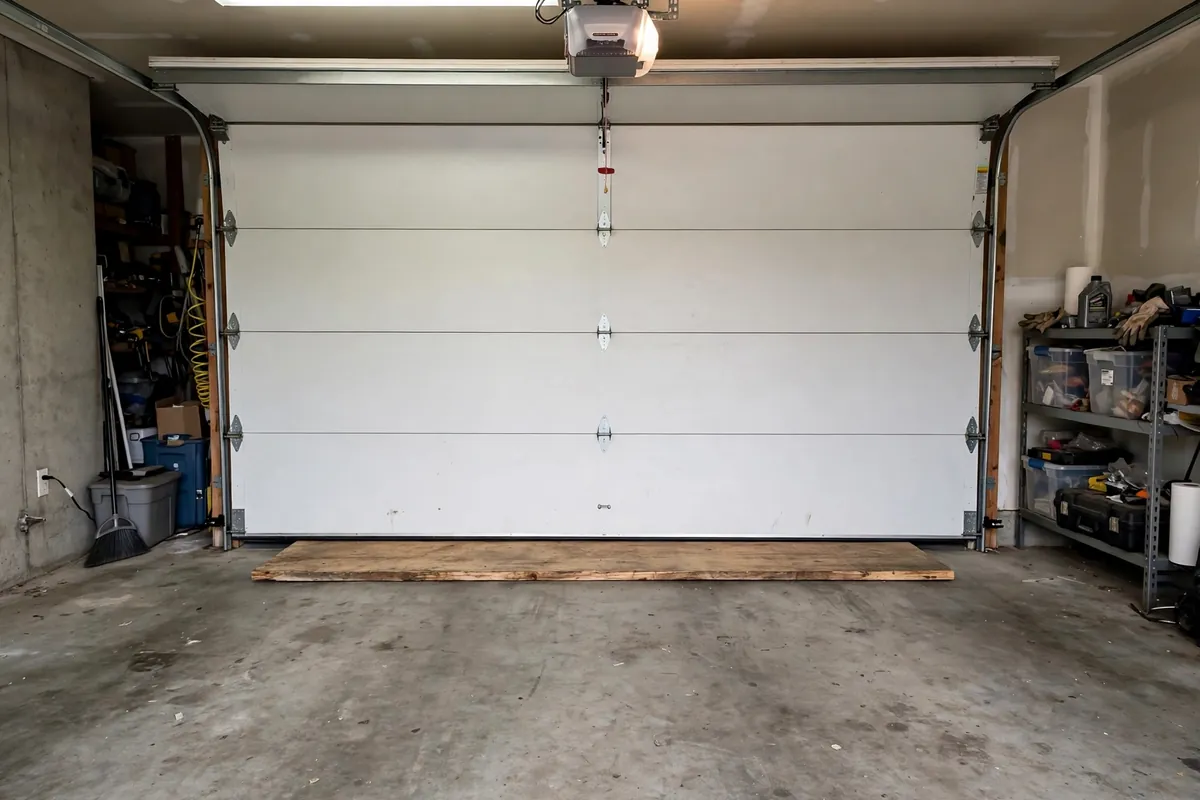
- Test the auto-reverse. Lay a flat board on the floor under the middle of the door and close it, because the door should reverse as soon as it touches the board.
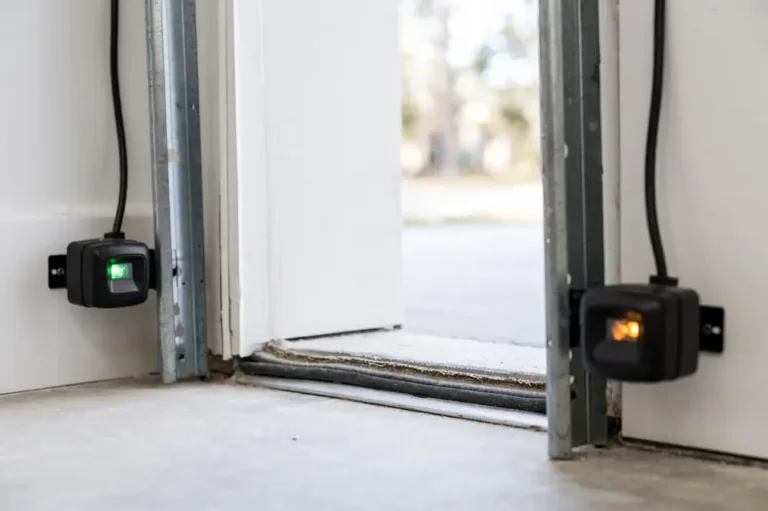
- Test the sensors. While the door closes, pass a broom through the sensor beam near the floor, because the door should go back up at once.
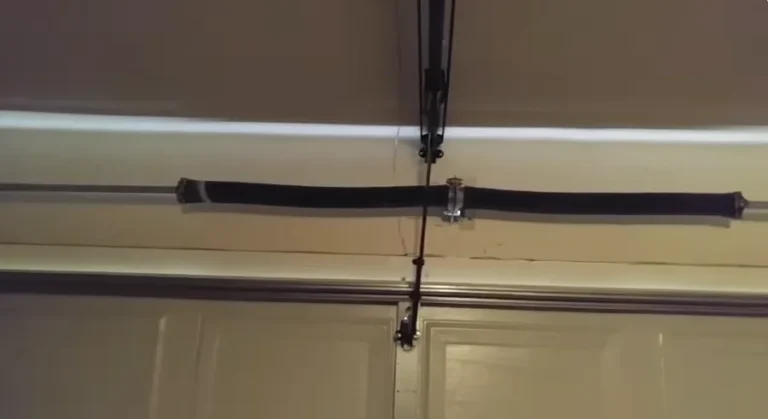
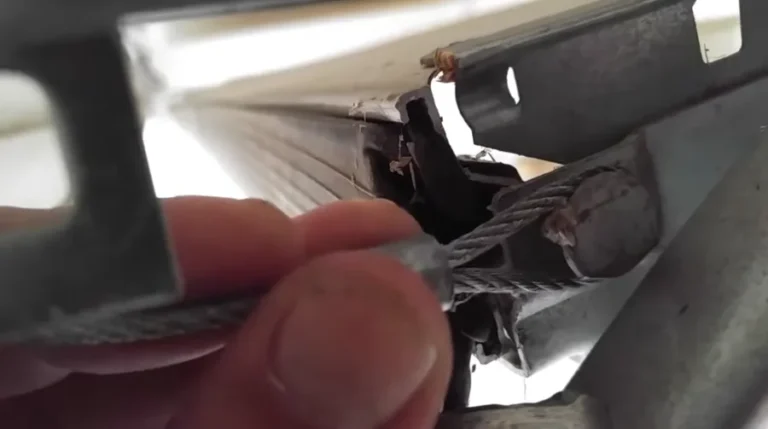
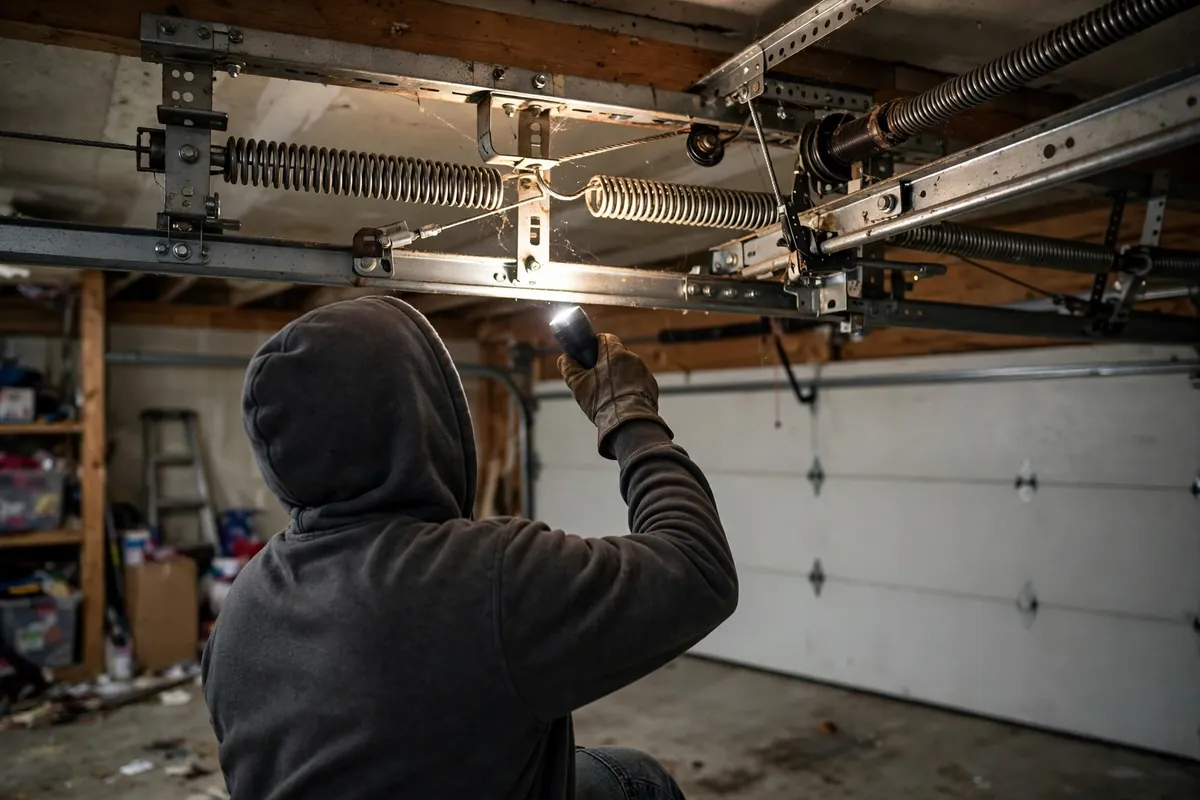
- Look at springs and cables, eyes only. Look for a gap in a spring coil above the door, frayed cables, or a cable loose on its drum, and stop and call a technician if you see any of these.
- Look at rollers and hinges. Look for cracked, chipped, or wobbly rollers, hinges pulling away from panels, and rust forming on hardware.
- Check the bottom seal. Look for cracks, tears, gaps, or a seal that has hardened and no longer presses flat against the floor.
Keep the results in a notebook or on your phone, with the date and anything that looked different, because that record is what turns the routine from a chore into a warning system. A hinge that looked fine in June and looks cracked in November is a part approaching the end of its life, and catching it now means replacing a hinge, not a panel.
The same record helps a technician, because they can see when a noise started, when the balance last passed, and when the last professional tune-up happened. Ten minutes a month is a small price for that picture, and it is the foundation of all garage door maintenance.
The Twice-Yearly Garage Door Maintenance Tune-Up: 20 Minutes
Twice a year, in fall before the first hard freeze and again in spring, give your garage door maintenance a deeper twenty-minute pass. This is the tune-up that keeps the door quiet, smooth, and weather-tight, and it builds on the monthly checks rather than replacing them. Close the door and unplug the opener before you start, so the motor cannot start while your hands are near moving parts, and work from the top down so dirt falls away from parts you have already cleaned. Keep your fingers away from the joints between door sections, and never touch springs, cables, or bottom brackets at any point in this tune-up.
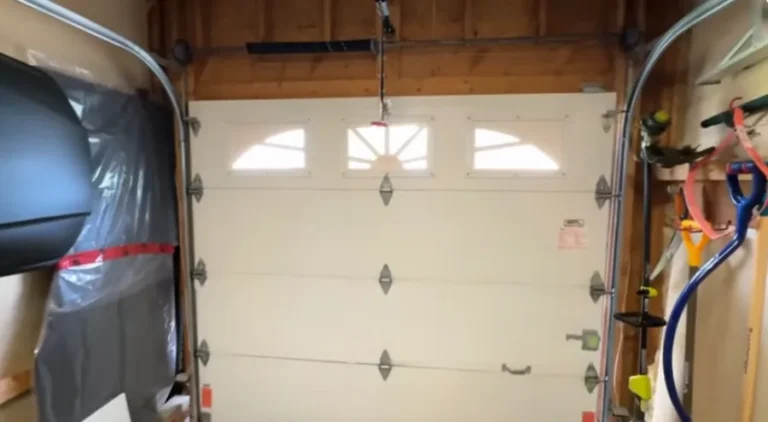
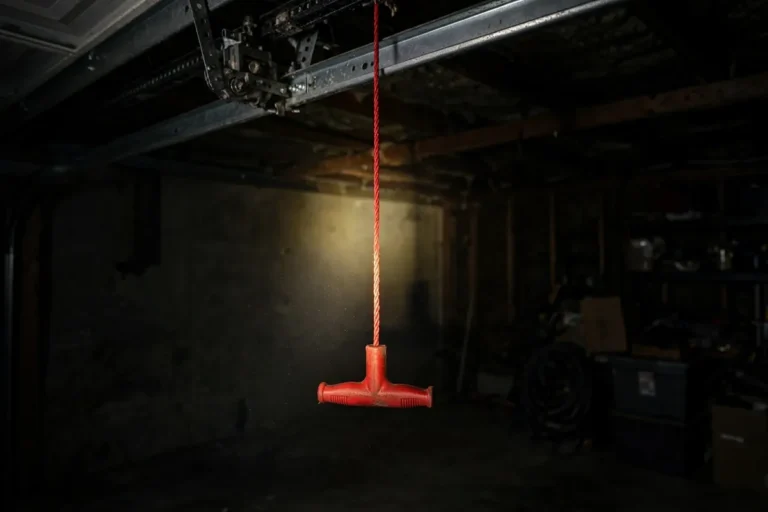
- Balance test. Pull the red emergency release with the door closed, lift the door by hand to about halfway, and let go, because a balanced door stays roughly where you put it. If it drops or shoots upward, the springs need adjusting, which is a technician job.
- Lubricate the moving parts. Spray silicone or white lithium garage door lubricant on hinge pivots, steel roller bearings, spring coils, and bearing plates, and keep it out of the inside of the tracks.
- Tighten the hardware. Snug hinge bolts, track brackets, and opener fixings with a socket wrench, firm but not over-tight, and never loosen the bottom brackets.
- Clean the tracks. Wipe the inside of the tracks with a damp cloth to remove dust, grit, and old lubricant, then dry them well so rollers roll instead of grind.
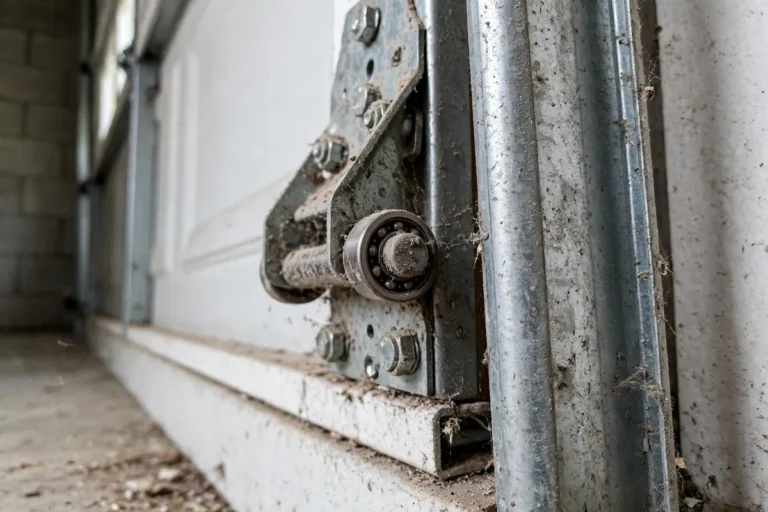
- Check the rollers. Look for cracked, chipped, flat, or wobbly rollers, and have worn rollers replaced before they damage the track.
- Check the seals. Look at the bottom seal and the side seals for cracks, tears, and gaps where daylight shows through when the door is closed, and replace damaged seals.
- Check the opener. Replace the backup battery if it is a few years old, test the remotes and keypad, and confirm the auto-reverse still works after any adjustment.
- Wash the door. Wash the panels with mild soap and water, rinse off road salt film, and touch up scratches on steel doors to prevent rust.
Run the door through two full cycles after the tune-up, listening as you go, because most squeaks fade by the second cycle once the lubricant has spread. Repeat this routine every six months, and before winter in Hamilton, rather than waiting for the noise to return. If a squeak survives two rounds of proper lubrication, the part is likely worn, not dry, and a technician should check the rollers, hinges, or bearings before the wear spreads to the track.
Garage Door Maintenance Through the Hamilton Seasons
Hamilton seasons stress a garage door in predictable ways, and the routine should follow the calendar rather than fighting it. Fall is preparation, winter is watching, spring is recovery, and summer is the time for bigger jobs that need dry weather. The table below gives the seasonal jobs at a glance, so you can do the right job at the right time instead of doing everything at once. November is the most important month in the whole calendar, because it is the last calm month before sustained freezing weather arrives.
| Season | Garage door maintenance jobs | Why it matters in Hamilton |
|---|---|---|
| Fall, October to November | Full tune-up, lubricate, check seals, clear threshold drainage | Last chance before hard freezes stiffen lubricant and seals |
| Winter, December to February | Monthly safety tests, clear snow and ice, wipe salt film, watch for frozen seals | Cold, salt, and ice add friction and can freeze the door shut |
| Spring, March to April | Full tune-up, wash off salt, check for rust, test balance and safety systems | Freeze and thaw cycles leave rust, grit, and worn seals behind |
| Summer, June to August | Wash and touch up paint, check insulation, plan panel or opener upgrades | Dry weather is best for painting, sealing, and bigger jobs |
Seasonal jobs for garage door maintenance in Hamilton, OH.
In fall, lubricate everything before the first hard freeze, check the bottom seal for cracks that let water pool under the door, and clear leaves and grit from the tracks before wet weeks arrive. In winter, keep snow and slush cleared away from the threshold before closing, so the bottom seal does not freeze to the ground overnight, and never force a frozen door with the opener.
In spring, wash off the winter salt film, look for rust on hinges, springs, and track brackets, and run the full safety tests again after the cold months. In summer, touch up paint and scratches, check insulation and seals for the heat, and use the dry weather for any panel or opener work that needs doing. Seasonal care like this takes less time in total than fixing one winter failure.
How Often Should Garage Door Maintenance Happen? Usage and Age
The baseline is a professional tune-up once a year, and that baseline fits the average home where the door cycles about four times a day. But the right frequency depends on how much the door is used, how old it is, and what weather it faces, and Hamilton homes should adjust the baseline rather than following it blindly.
A door that cycles six or more times a day, common where the garage is the main entrance, accumulates wear much faster than a standard-use door, and experts suggest a professional inspection every six months for those homes. An older door, typically one over ten years old, also benefits from more frequent attention, because springs are rated for a finite number of cycles, usually between 10,000 and 20,000, and their strength naturally degrades over time even with minimal use.
High-traffic and older doors are not the only cases where checks should happen more often, because Hamilton winters add their own wear. Extreme cold stiffens lubricant, contracts metal, and increases friction, which strains the opener motor and the springs on every cycle.
Road salt speeds up corrosion on steel cables, hinges, and track hardware, and a door near a busy road or a sloped driveway collects more grit in its tracks. The rule is simple: if the door is used more, is older, or faces harder weather, check it more often, and let a professional tune-up every six months replace the annual visit. Care that matches the door, rather than the calendar alone, is what keeps a door reliable for twenty years instead of ten.
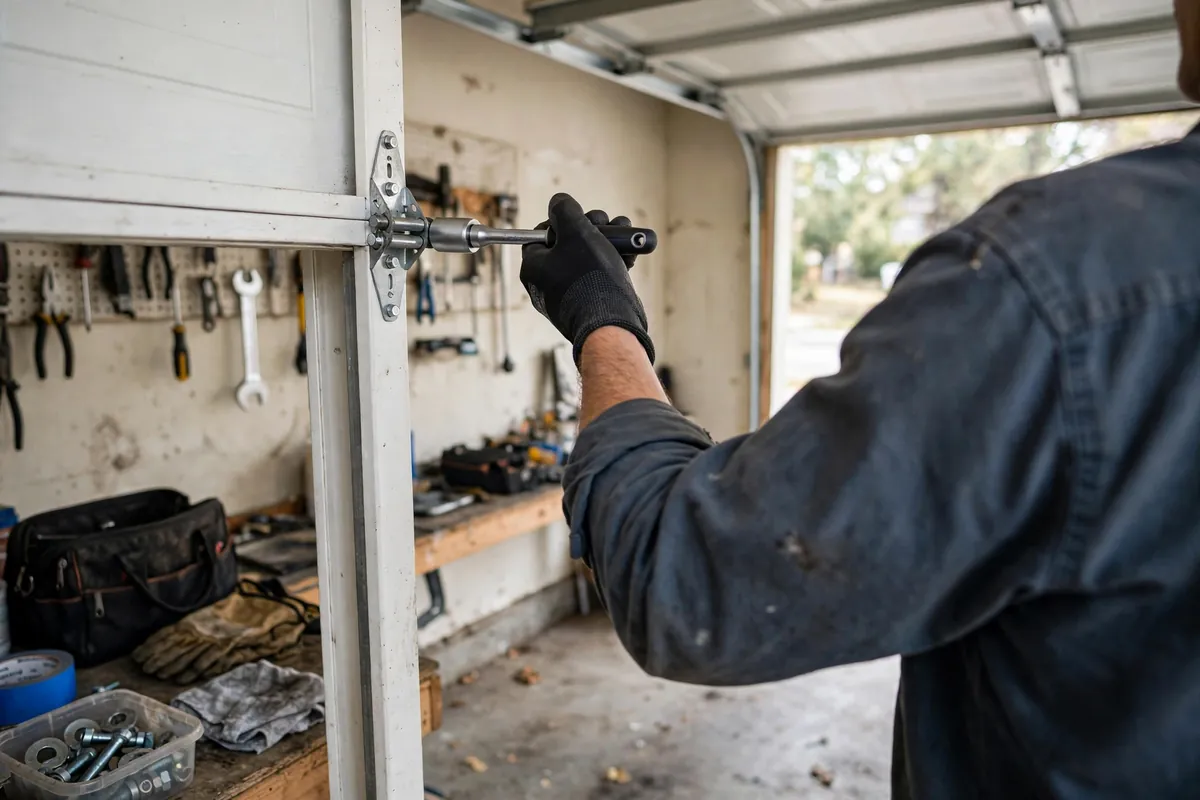
What a Professional Garage Door Maintenance Tune-Up Adds
A do-it-yourself checklist keeps an eye on things, but an annual professional garage door maintenance tune-up actually resets them. During a tune-up, a trained technician measures and corrects spring tension, sets the opener force and travel limits, inspects rollers, drums, and bearings for wear, checks cable condition end to end, and realigns the tracks.
Parts that are wearing out get flagged before they break, and you finish with a written picture of anything approaching the end of its life. That record matters, because it is what keeps a warranty claim clean and what lets you plan a roller or spring replacement before it becomes an emergency call.
A professional visit also catches the quiet failures that a homeowner checklist cannot see. A spring that has lost tension does not announce itself, and it quietly shifts the lifting load onto the opener, which then burns out years early. Rollers wear the same way, because flat spots form, the door gets heavy, and the motor pays the bill.
A technician can also check the opener circuit board, the drive gear, and the safety sensor alignment with tools a homeowner does not have, and they can adjust force settings that a homeowner should not touch. The visit itself typically takes under an hour, and homes that cycle the door five or more times a day benefit from tune-ups twice a year. Ask before booking what the tune-up includes, and confirm the price, because a tune-up that only sprays lubricant is not a tune-up at all.
Garage Door Maintenance Safety Lines You Should Not Cross
Every item in the monthly and twice-yearly checklists above is safe for a homeowner, and the lines below are the ones you should not cross. The difference matters, because the parts on the wrong side of the line are under tension and can cause serious injury. The routine is about knowing which side of that line each job sits on, and stopping at the line every time. If a check fails, or a part looks damaged, the right move is to stop cycling the door and call a technician, not to try the repair yourself.
- Never adjust spring tension yourself. A torsion spring holds enough stored energy to lift a door weighing well over a hundred pounds, and releasing that force without winding bars and training causes serious injuries every year.
- Never remove a lift cable or unwind a spring cone. Even a door that looks relaxed is not, and a cable under tension can snap violently.
- Never loosen the bottom brackets. The bottom brackets at the very bottom corners of the door are attached to the lift cables and are under spring tension.
- Never grease the inside of the tracks. Grease there collects dirt and makes rollers slide instead of roll, which adds friction and noise.
- Never bypass the safety sensors. A door that will not reverse with a clear beam has a safety failure, not a nuisance, and it needs professional sensor service before it is used again.
- Never use a penetrating oil as a long-term lubricant. It cleans parts but dries quickly and collects dust, leaving the parts drier than before.
The United States Consumer Product Safety Commission warns about injuries from garage doors and their parts every year, and spring and cable work is not a do-it-yourself job. See United States Consumer Product Safety Commission for garage door safety information. If you are ever unsure whether a job is safe, treat it as a technician job and call (513) 286-7477, because a few hours of caution beats a door that comes down on its own schedule.
What Does Garage Door Maintenance Cost in Hamilton, OH?
Garage door maintenance that you do yourself costs almost nothing, because a can of silicone garage door lubricant, a rag, and a socket wrench are the only tools involved. The cost starts when a part is worn, bent, or broken, and the ranges below are this site’s overall Hamilton repair range, not a quote for your door.
A final price should be confirmed before work starts, especially if a spring, cable, track, or opener part needs replacing. A professional tune-up that catches a worn roller or a weakening spring early is almost always cheaper than the emergency repair that follows when the same part fails.
| Job | Typical Hamilton cost | Notes |
|---|---|---|
| Monthly checks and lubrication, DIY | $0-$20 | One can of garage door lubricant and a rag |
| Professional tune-up | Within $120-$450 | Inspection, balance, lubrication, safety tests, written report |
| Roller replacement | Within $120-$450 | Nylon rollers are quieter and longer lasting than steel |
| Spring repair | Within $120-$450 | Never a DIY job, price confirmed before work |
| Off-track repair | $150-$350 | Door jammed or crooked after a track problem |
| Opener repair or replacement | $100-$600 | Gear, board, or limit problem versus a new unit |
| Most Hamilton repairs overall | $120-$450 | Typical range, same-day in many cases |
Costs for garage door maintenance in Hamilton, OH.
When to Call a Pro for Garage Door Maintenance in Hamilton, OH
Call a technician if any safety test fails, if the door fails the balance test, if you see a gap in a spring coil, or if a cable looks frayed, slack, or loose on its drum. The same rule applies if the door moves unevenly or jerks, if grinding continues after cleaning and lubrication, if a roller has popped out of the track, or if the opener hums or strains without lifting the door.
A door that has become noisy suddenly, rather than gradually, usually has a broken part, and running it daily only adds to the repair bill. A professional garage door maintenance visit is also the right call if the door is over ten years old and has never had a tune-up, or if it cycles six or more times a day and has not been serviced in the last six months.
Service covers Hamilton ZIPs 45011-45015, plus Fairfield, West Chester, Liberty Township, Fairfield Township, Middletown, Ross, Trenton, and Oxford. For checks that turn up a problem you cannot fix safely, or for a professional tune-up before winter, call (513) 286-7477 and ask for the price before work, or see our 24/7 emergency repair page, our garage door opener repair page, our garage door spring repair page, our off-track repair page, our garage door repair cost guide for Hamilton, OH, and our noisy garage door guide.
How to Keep Garage Door Maintenance Going All Year
This routine works best as a habit, not as a one-off project, and the habit is easier to keep if you make it small. Put the monthly check on the same day every month, such as the first Saturday, and keep the lubricant, rag, and flat board together on a shelf near the door.
Keep a simple log with the date, the balance and safety test results, and anything that looked different, because that log is what turns a routine into an early warning system. Keep tune-up records with your warranty paperwork, because manufacturers generally expect documented professional service, and a paper trail keeps a claim clean.
Garage Door Maintenance in Hamilton, OH Right Now?
Book a professional tune-up before winter, or tell us what your monthly checks turned up, and we will connect you with a local technician.
Garage Door Maintenance Help Now: (513) 286-7477Frequently Asked Questions
How often should garage door maintenance be done?
It should be done once a month for safety checks, twice a year for lubrication and hardware, and once a year by a professional technician. Doors used six or more times a day, doors over ten years old, and doors facing Hamilton winters should be checked more often, with a professional tune-up every six months. Consistency matters more than intensity.
What is included in a garage door maintenance checklist?
A garage door maintenance checklist includes watching and listening, testing the auto-reverse, testing the sensors, and looking at springs, cables, rollers, and hinges. The twice-yearly version adds the balance test, lubrication, tightening hardware, cleaning tracks, and checking rollers, seals, and the opener. A professional tune-up adds spring tension measurement, cable and drum inspection, track realignment, and opener force and limit settings.
Can I do garage door maintenance myself?
Yes, most garage door maintenance is safe for a homeowner, including monthly safety tests, lubrication, tightening visible hardware, cleaning tracks, and washing the door. The jobs you should never do yourself are adjusting spring tension, removing lift cables, loosening bottom brackets, and bypassing safety sensors. If a safety test fails, or a part looks damaged, stop using the door and call a technician.
What lubricant should I use for garage door maintenance?
Use a silicone spray or a white lithium grease spray made for garage doors, applied to hinge pivots, steel roller bearings, spring coils, and bearing plates. Avoid a penetrating oil as a lubricant, because it dries out fast and leaves parts drier than before, and avoid heavy grease, which attracts dirt and grit. Never put lubricant inside the tracks, because grease there makes rollers slide instead of roll.
How do I know if my garage door is balanced?
Close the door, pull the red emergency release cord to disconnect the opener, and lift the door to about halfway by hand, then let go. A balanced door stays where you put it, while a door that drops or shoots upward has springs carrying the wrong tension. Reconnect the opener and call a technician if the balance test fails, because spring adjustment is not a do-it-yourself job.
How do I test my garage door safety sensors?
While the door closes, pass a broom through the sensor beam near the floor, and the door should go back up. If it keeps closing, clean both lenses with a soft cloth and confirm the units face each other squarely, then test again. A door that still will not reverse with a clear beam has a safety failure, and it needs professional sensor service before it is used again.
What does a professional garage door maintenance tune-up cost?
A professional tune-up in Hamilton, OH typically falls within the site’s overall repair range of $120 to $450, with the final price confirmed before work starts. The visit usually takes under an hour and includes spring tension measurement, cable and drum inspection, track realignment, lubrication, and safety tests. Homes that cycle the door five or more times a day benefit from tune-ups twice a year.
Does garage door maintenance affect my warranty?
Yes, garage door maintenance can affect your warranty, because manufacturers generally expect doors to be professionally serviced, and a documented annual tune-up creates the paper trail that keeps a claim clean. Parts flagged early are also far cheaper to fix than the same parts failing under load. Keep your tune-up records with your warranty paperwork, and ask the technician for a written report at each visit.
What garage door maintenance should I do before winter in Hamilton?
Before winter in Hamilton, do a full tune-up: lubricate hinges, rollers, and springs, check the bottom seal for cracks, clear the threshold drainage, and test the balance and safety systems. Keep snow and slush cleared away from the threshold, wipe salt film off panels and hardware, and never force a frozen door with the opener.
What should I never do during garage door maintenance?
Never adjust spring tension, remove a lift cable, unwind a spring cone, or loosen a bottom bracket, because those parts are under tension and can cause serious injury. Never grease the inside of the tracks, never use a penetrating oil as a long-term lubricant, and never bypass the safety sensors. If a safety test fails, stop cycling the door and call a technician.
Conclusion: Ten Minutes a Month Keeps a Hamilton Garage Door Reliable
Garage door maintenance in Hamilton, OH is a small habit with a large payoff, because ten minutes a month and a twenty-minute tune-up twice a year catch the wear that turns into emergencies. The monthly safety tests protect your family, the twice-yearly tune-up protects the door, and the annual professional visit protects the springs, cables, and opener that a homeowner cannot safely touch. Do the checks in the same order every month, keep a simple log, and do the fall tune-up before the first hard freeze, because November is the month that decides how the door handles winter.
If your garage door maintenance checks turn up a failed safety test, a door that will not balance, a gap in a spring, or a frayed cable, do not keep running the door and hope it improves. Call (513) 286-7477, tell us what the checks found, and get connected with a local technician who can make the door safe and confirm the price before work starts.